Setting the Stage for a Lucrative Sale
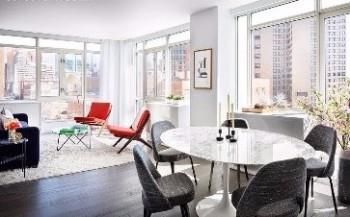
Your apartment will sell for more if you consult a talented decorator or stager
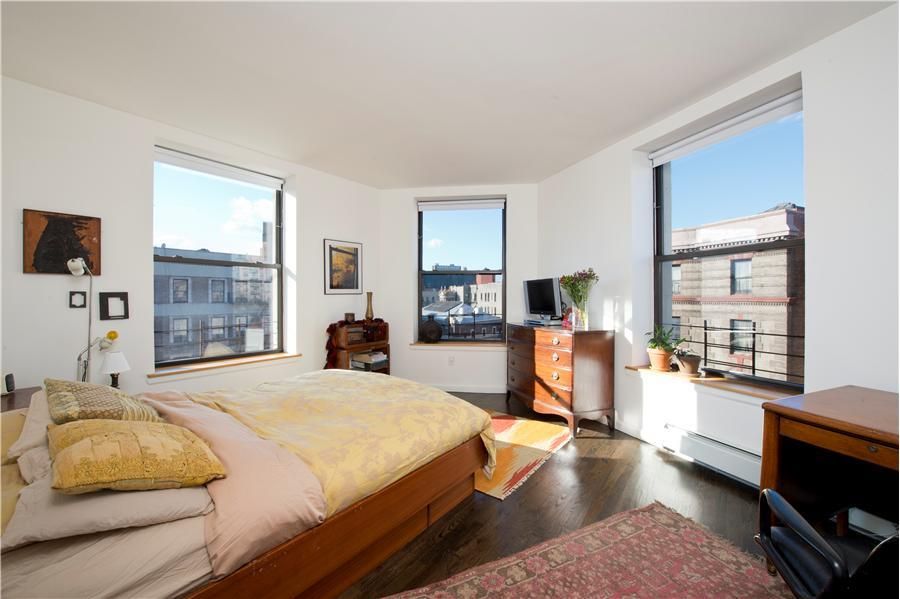
It may sound counter-intuitive at first, but apartments really do look smaller when they are empty. (And sadder, too!) The converse is also true: cluttered units will feel smaller than they are – and may stress prospective buyers right out the door.
If you have a honed sense of design, a keen eye for color, and happily spend hours strolling the aisles of home stores and poring over design magazines, you may be tempted to save a few bucks and prep your own apartment for sale. But be warned: your own, very defined, sense of personal style may prevent you from seeing the bigger picture, which might be counter-productive when getting a unit ready to go onto the open market.
"The goal is to try and make the property appeal to as many possible buyers as possible," says Mark Schrader, owner of New York-based staging and decorating firm Living Spaces. And even style-conscious, opinionated New Yorkers might have a hard time achieving enough distance from the project at hand to create a look and feel that will appeal to the widest possible audience.
True, you might not personally like his or her suggestions – whether they be too tame, or perhaps even a bit jazzier than you would choose for your own living space – but do trust your decorator! "A lot of people say, 'I don’t like that, the way that looks,'" Mark says. "Just remember – we’re not trying to sell the apartment back to you! But we need to pull enough personality out of the space so that there’s room for another one."
Typical fixes and touch-ups that stagers recommend include painting accent walls, re-grouting showers, and of course removal of unneeded clutter, seasonal items, personal photographs, overtly religious/political objects.
Budget-conscious sellers – or those who are simply in a big hurry – are often tempted to use so-called virtual staging services, which involve "cutting and pasting" furniture and furnishings into photos of empty apartments. Quality and pricing for these services vary. Better artists charge upwards of $200 per photo (not including the cost of professional photography), and can achieve credible, even beautiful effect. I myself have used virtually staged photos, although I generally restrict this to rental units since the stakes (and budget) are lower.
For apartment sales, it’s always best to have actual furniture and decoration in the unit, if at all possible. "We only have ten minutes to get them to see the space as best as possible," Mark explains. "Then the buyers end up relying on the photographs – which need to be very representative of the space as they see it. There’s the disappointment factor when it looks different in photos than in person; and that’s really hard to get over."
I unreservedly recommend you use a professional decorator when you begin readying your apartment for sale, even if it's just an initial consult to get a second opinion and basic do's and don'ts. Using a decorator/stager will ease the pressure of repeatedly second-guessing yourself as you wade through dozens of aesthetic decisions on your own, during what can be a high-stress time.
In my experience, you will easily recoup the staging money you spend by achieving a noticeably higher sale price. It's a well-worn cliche by now, but first impressions really are very important. And many is the time I have seen buyers fight over a cutely-staged apartment that really didn't have much else going for it, which is saying a lot!
Ask a friend or your real estate agent for a referral to someone whom they've used personally, and you may find that the process can be really fun and even educational. Who knows? You might even use this decorator for the apartment you're moving into!